In conversation with Stephen Schwarzman
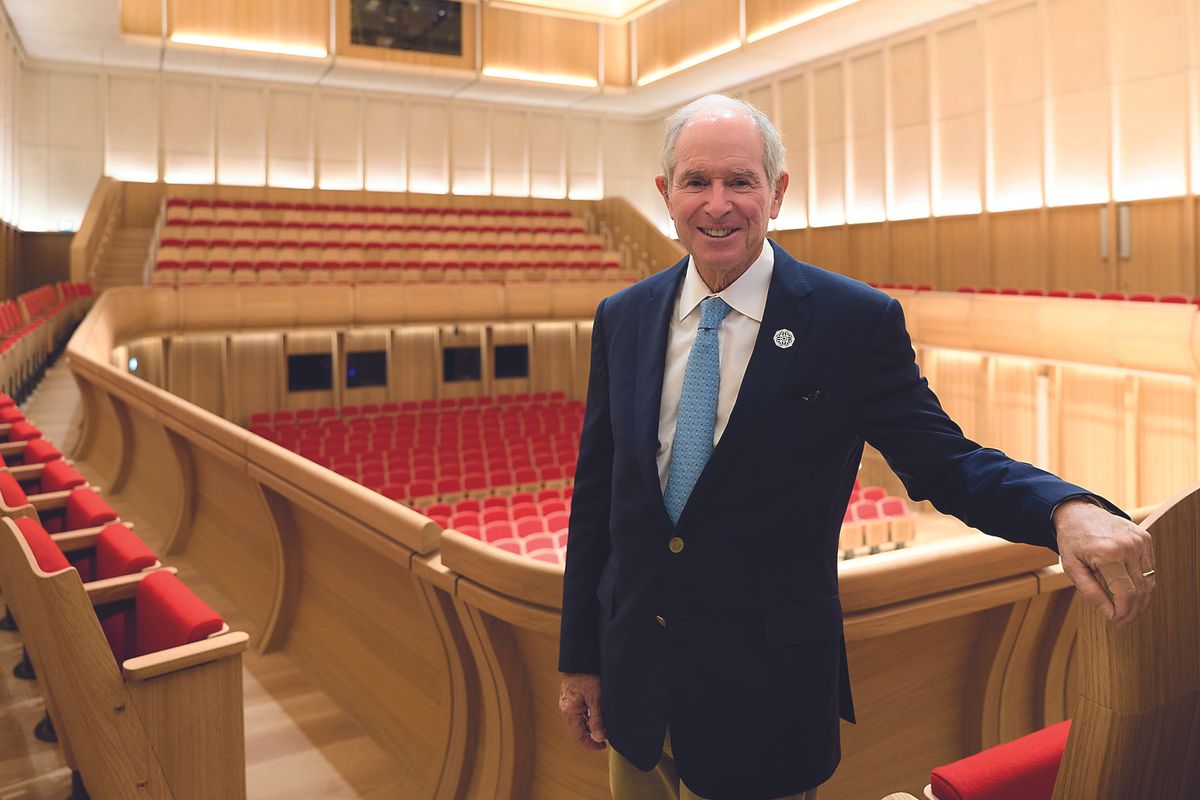
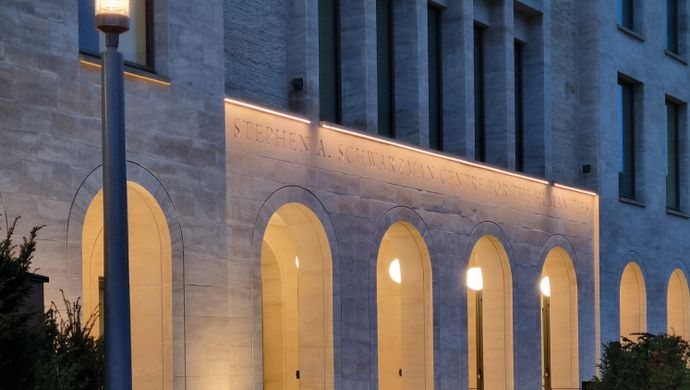
The Schwarzman Centre has been made possible by the largest single gift in modern times made to the University of Oxford: £185 million from philanthropist and businessman Stephen A. Schwarzman.
We talk to Stephen about his inspiration, his interest in the humanities, and his response to the realisation of his vision…
What inspired you to give this gift?
I was approached by former Vice-Chancellor, Louise Richardson about Oxford’s long-time desire to unite the humanities departments for the first time in the University’s history. The idea of co-locating these departments was compelling but I also saw an opportunity for even greater impact. We discussed creating an Institute for Ethics in AI to apply Oxford’s leadership in philosophy and values to this pressing issue, as well as dramatically expanding the performance and cultural spaces to allow local and global audiences to experience the work that comes out of the Centre. The process of bringing this broader vision to life was deeply inspiring.
Why are the humanities important to you?
Shortly before this gift, I made a large donation to create a new College of Computing at the Massachusetts Institute of Technology (MIT). This helped reorient MIT to address the opportunities and challenges presented by the rise of AI, including critical ethical and policy considerations. But seeing the transformative potential of this technology only strengthened my belief in the power of the humanities. We need places that study and protect the human condition. These fields are so important to help us live fuller lives and answer many of the fundamental questions we face today. I thought it was important to reaffirm this.
What elements of the Centre are you most pleased with?
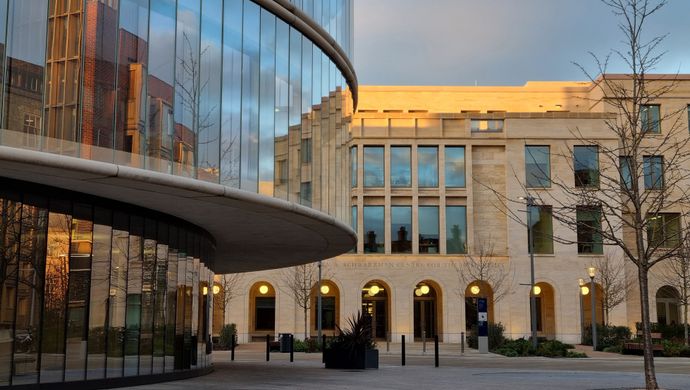
The building is simply spectacular. We used many historic materials and design elements drawn from the old colleges to achieve that iconic Oxford aesthetic (particularly the golden glow against the green lawns you get around sunset). It’s a slightly more modern version, of course, but you can’t mistake that old college feeling. Within the Centre, each major space is more impressive than the last — the libraries, the concert hall, the central dome. When you’re adding to a place that’s been around for almost a thousand years, it’s a big responsibility. You think about the generativity of it all. It’s a very satisfying feeling to play a role in the future while being part of the elegance and beauty of the past.
You have visited the building since it opened. How did it feel to see it being used?
In the later stages of construction, it was like seeing some kind of wonderful sports stadium take shape but having no players on the field or fans in the stands. Walking in for the first time with students and faculty, there was a feeling of ‘now the game has really begun.’ The physical setting is remarkable, but the real energy comes from how the different disciplines interact with the space.
What excites you most about the future of the Centre?
It’s all the big questions about where those interactions will lead. What new ideas and innovations will come out of this approach? What magic is going to be unleashed? Which new audiences will be inspired by work that goes on here? I think it will ultimately get more people interested in these disciplines.
What advice can you offer the young people and students of today, in terms of their interactions with the world?
The pace of change today is rapid. But there is real opportunity in embracing both the promise of technology and the power of the humanities — whether great music, history, art or philosophy.